Have you ever watched a child hesitate before speaking, trying to work out whether their thoughts are “good enough” to share?
Or noticed how quickly some children label themselves – “I’m not good at that,” “That’s not for me,” “I always mess things up” – long before anyone else does?
These moments often pass quietly. But they matter far more than we realise.
Children today are growing up in a world full of noise. Comparison starts far too early. Expectations are high, opinions are everywhere, and while children may not always have the words for it, many are trying to answer big questions long before adulthood:
Who am I? What am I good at? Where do I belong?
Confidence doesn’t disappear overnight. It erodes slowly – through unspoken pressure, misunderstood behaviour, or the absence of spaces where children are allowed to explore who they are without fear of getting it wrong.
What many children don’t need is more instruction.
They need guidance.
There is a difference.
As a mother, I often watch my children and learn from them. I’m not perfect, but I try to observe, reflect, and adjust. One intentional decision we’ve made as a family this year is to be more collaborative and less dictatorial. That isn’t always easy – especially when upbringing and cultural expectations are at play – but it has been necessary.
Guidance creates room for conversation. It invites questions. It helps children recognise their strengths while gently becoming aware of their blind spots – not to shame them, but to support growth. When adults take time to notice how a child thinks, feels, and responds, something powerful happens: the child begins to understand themselves.
This is where purpose begins – not as a grand life plan, but as an inner compass.
When children are guided early, they learn that their gifts don’t all look the same. Some lead loudly, others quietly. Some think deeply, others act quickly. Some express themselves through words, others through creativity or care. Confidence grows when children realise there is space for how they are wired, not just what they achieve.
For parents, carers, and educators, this requires a shift. It’s not about having all the answers; it’s about asking better questions:
- What lights this child up?
- What drains them?
- What do they enjoy?
- What do they avoid – and why?
These questions move us from managing behaviour to shaping understanding.
When children understand themselves, they begin to make better choices. They learn to set goals that feel achievable rather than overwhelming. They start to see challenges as part of growth, not evidence of failure. And importantly, they feel seen.
This kind of development doesn’t happen by accident. It happens in intentional spaces – at home, in classrooms, in workshops, and in everyday conversations where children are given permission to reflect, create, and express themselves.
At The Purpose Patrol, this belief sits at the heart of everything we do. We create environments where children are encouraged to explore identity, confidence, and direction in ways that feel safe, engaging, and age-appropriate. Not to rush them into adulthood, but to give them tools they can grow into.
Because when children are guided early, they don’t just dream – they begin to believe. And belief, when nurtured well, becomes the foundation for resilience, healthy relationships, and purposeful living.
As we step into February, I want to pose a simple question:
What are we committing to this month to intentionally support our children’s confidence and growth?
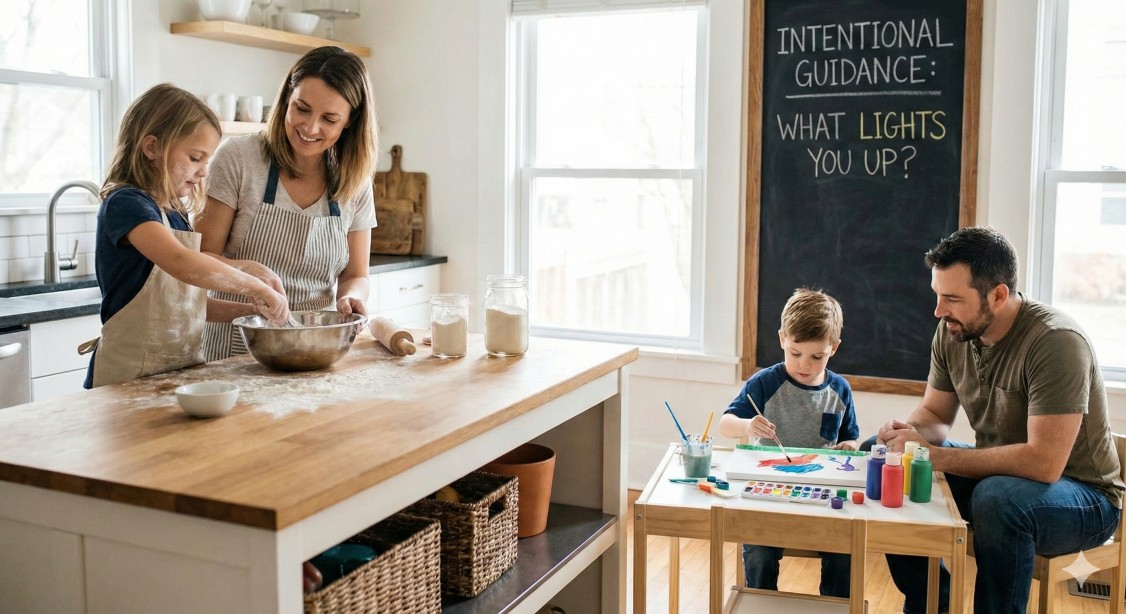
For me, that looks like being present. My soon to be ten year-old enjoys experimenting in the kitchen, so I’ll be cooking with her at least once a week – resisting the urge to focus on the mess and allowing her the freedom to explore. For my son, it means spending intentional time in his creative world, sitting with him as he paints, asking thoughtful questions, and simply sharing the experience.
Small commitments. Real presence.
I’d love to hear what you’re choosing to commit to this month. It doesn’t have to be anything big or exhaustive – just intentional.
Until next time, here’s to a thoughtful and purpose-aligned February.
Purposely yours,
Pamela Femi-Ojo